A Commercial Aircraft Network for Climate Monitoring
IAGOS (In-Service Aircraft for a Global Observing System) is a European Research Infrastructure (ESFRI Roadmap 2006). The infrastructure operates a long-term observation network of
- atmospheric composition (reactive trace gases and greenhouse gases),
- aerosols,
- and cloud particles,
using a fleet of commercial aircraft equipped with instrumentation for routine, in-situ measurements.
IAGOS observations include:
- measurements of ozone (O₃), carbon monoxide (CO), water vapor (H₂O), and total nitrogen oxides (NOy),
- geo-located measurements (latitude, longitude, and pressure), along with meteorological observations (wind direction and speed, temperature),
- sequences of observations along international flights, departing from and returning to Europe,
- automatic data acquisition from takeoff to landing.
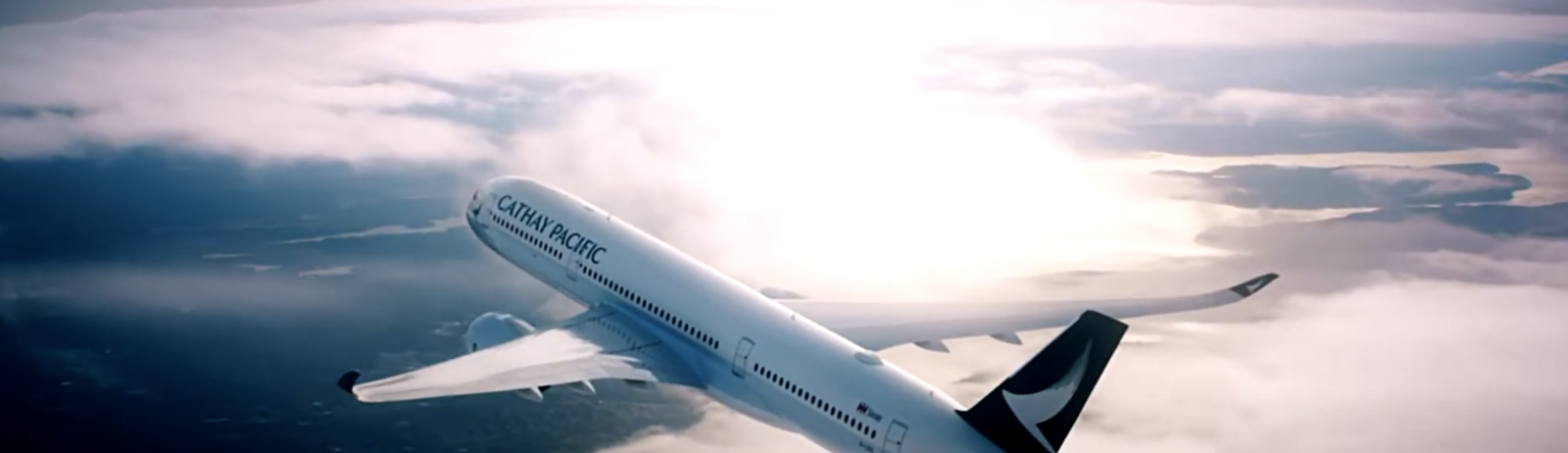
- Observations using the new IAGOS instrumentation (July 2011–present) were initially conducted by a single aircraft (Lufthansa).
- An implementation plan equipped Air France, China Airlines (Taiwan), Cathay Pacific, and Iberia between 2012 and 2013.
- Measurements include ozone (O₃), carbon monoxide (CO), water vapor (H₂O), and cloud hydrometeors (number and size of water droplets).
- Additional measurements may include nitrogen oxides (NOx), greenhouse gases (CO₂ and CH₄), or aerosols, depending on the aircraft options.
Since July 2011, the first IAGOS-equipped aircraft has been flying with the option to measure nitrogen oxides (NOx).
IAGOS at LAERO
- Valérie Thouret : CNAP physicist, coordinator of IAGOS-FR and president of the IAGOS-AISBL executive board
- Philippe Nédélec, IR CNRS
- Romain Blot, IR CNRS
- Jean-Marc Cousin, IE CNRS
- Bastien Sauvage, MCF UT3
- Yasmine Bennouna, IR CNRS in CDI-mission on Copernicus projects since November 2022
- Hannah Clark, Executive Secretary of IAGOS-AISBL
- Simon Cléris
- Julie Patuel, IR CNRS en CDD
- Thibaut Lebourgeois, PhD
BENNOUNA Yasmine
BLOT Romain
CNRS research engineer
BRUNET Florian
CLARK Hannah
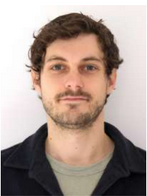
CLERIS Simon
Ingénieur de Recherche , CNRS
COUSIN Jean-Marc
IE CNRS
NEDELEC Philippe

PATUEL Julie
SAUVAGE Bastien
Associate Professor , Maitre de Conferences Universite de Toulouse
THOURET Valerie